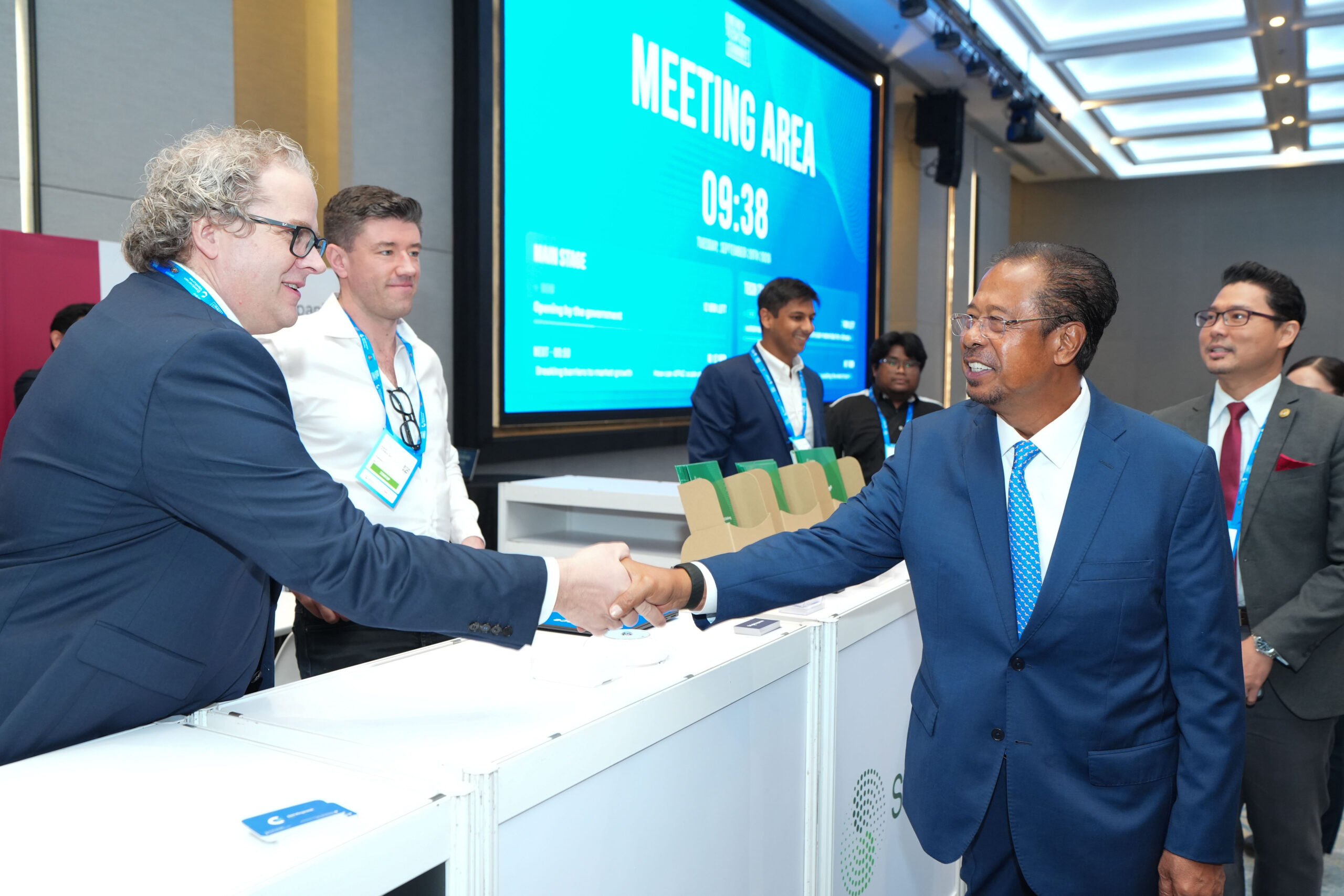
Two days, six startup tracks and plenty of honest conversations about what it will take to power Asia-Pacific’s growth.
On the morning of 29 September, badges went on, coffee came out and the rooms at Courtyard by Marriott Kuala Lumpur South began to fill. Two days later, the first Asia-Pacific edition of Energy Tech Summit had brought investors, corporates, founders and policymakers together across the Main Stage, Tech Talks, an expo area and a programme of roundtables.
The summit opened with Malaysia’s national anthem, Negaraku, and a recitation of Doa. Deputy Minister YB Dato’ Sri Abdul Rahman Bin Haji Mohamad then welcomed delegates on behalf of Malaysia’s Ministry of Energy Transition and Water Transformation (PETRA), which supported Energy Tech Summit Asia.
Skaiste Knyzaite, Founder of Energy Tech Summit, set the tone for the two days: “In Asia, the transition is not only about decarbonisation; It’s about powering growth. It’s about energy security.”
Energy Tech Summit Asia 2026 in numbers
Over two days, the summit brought together:
- 210+ startups
- 100+ VCs and CVCs
- 120+ corporates and utilities
- 1,700+ 1:1 meetings
- 36 countries across 5 continents
The summit was also made possible by our partners: PETRONAS as Innovation Partner and ABB as Startup Innovation Partner.
Day 1: can Asia’s infrastructure keep up?
The Main Stage opened with a question every investor in the room cared about: how can APAC scale green energy infrastructure faster? Temasek, Solarvest, PowerX and Seraya Partners took it on. Bhupesh Kumar, Director – Investment at Temasek, named the core problem: “The challenge for us is the ability to deploy capital at scale.”
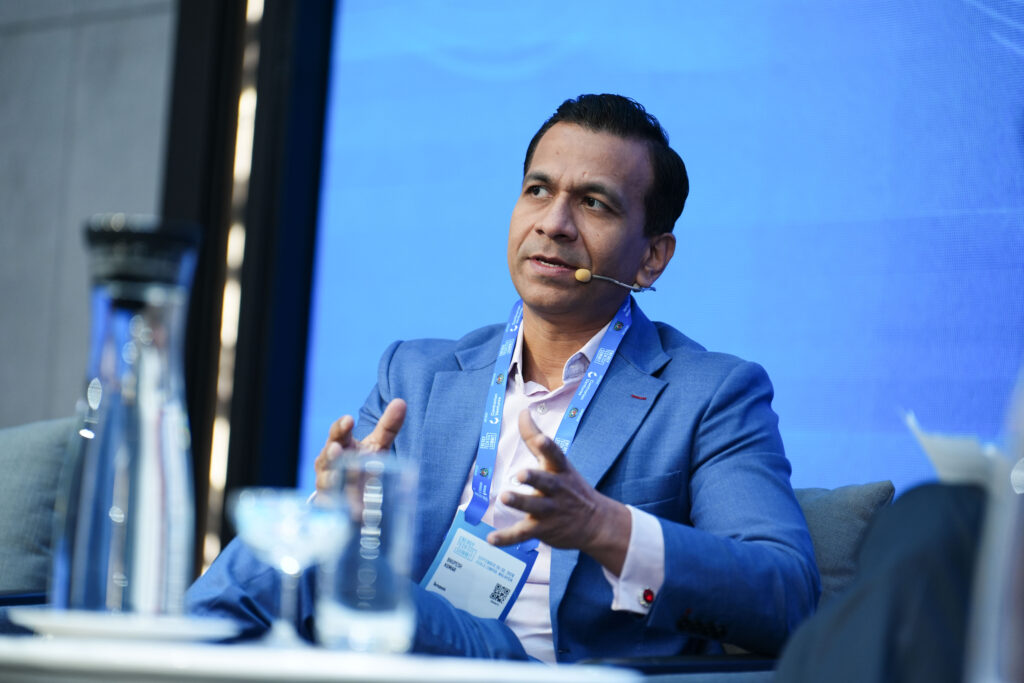
Bhupesh Kumar of Temasek speaking on the green energy infrastructure panel at Energy Tech Summit Asia 2026
From there, the focus moved to the grid itself. Moderated by Umer Sadiq of BloombergNEF, the next panel asked whether Asia’s 30-to-80-year-old grids can handle the hyperscale energy surge. JERA, GE Vernova and AirTrunk then debated how compute could help rescue overburdened grids, with Matt Gleeson of Oracle moderating.
Later, the conversation turned to firm power and home-grown technology. Blykalla made the case for factory-built nuclear for Asian data centres and industry. Jon Christensen, Head of Strategy and AI, summed it up: “Small enough to be built in a factory, big enough to power data centres.” A panel moderated by Helen Lin of At One Ventures also asked which climate hardware technologies Asia will own, and which it will adopt.
Day 1 at Tech Talks: where startups meet industry
Meanwhile, the Tech Talks stage focused on how startups actually get to market. As our Innovation Partner, PETRONAS hosted a fireside chat on moving from innovation to enterprise deployment, moderated by Mohd Mazran Ibrahim of PETRONAS Ventures.
Masaaki Hamada of Asuene APAC put it in four words: “PETRONAS is the ecosystem.” In other words, the value lies in access to subsidiaries, business units and pilot opportunities. Chee Hoe Chor, Co-Founder and CEO of Qarbotech, explained how to navigate it: “Startups must learn how to find local champions across different corporate divisions, articulate tailored benefits, and navigate diverse stakeholder narratives.”
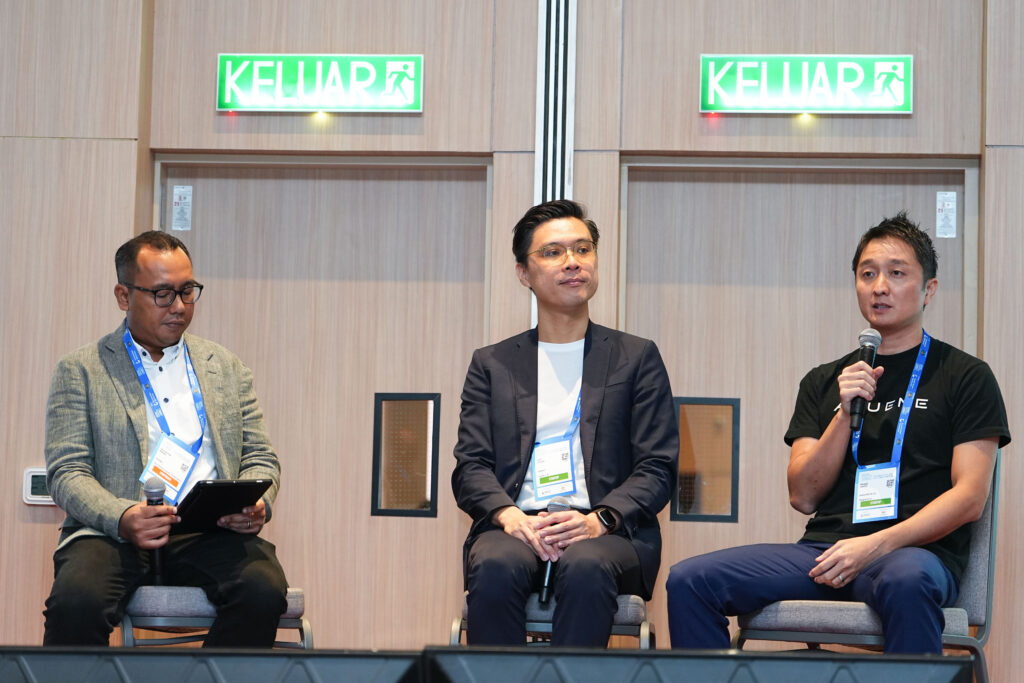
Speakers at the PETRONAS FutureTech fireside chat on the Tech Talks stage at Energy Tech Summit Asia 2026
Next, Audacy brought a showcase of APAC energy tech for buildings, industries and electrification. Moderated by Leo Chan of Audacy, it featured founders from Flyoro Technologies, SepPure Technologies, Clear Robotics, DEMA Energy, Conry Tech and Brightspace. Sam Ringwaldt, Founder and CEO of Conry Tech, shared a striking figure: “Air conditioning takes a massive amount of the world’s energy. In fact, 15% of the global emissions stems from our comfort alone.”
Away from the stages, Third Derivative/RMI hosted a Korean climate tech showcase with the Hyundai Motor Chung Mong-Koo Foundation and the Coalition for Our Common Future. As a result, 10 startups from Korea’s Green Society and ITAP accelerator programmes pitched and then met investors and corporates in focused roundtables.
The invite-only Growth Meets Industry roundtables also got under way, led by Esther Yap of Stellar SparX International. Across three sessions over the two days, they covered adoption, scaling across markets and the Women in Energy Leadership Circle.
The pitch battle begins
By early afternoon, the first Energy Tech Challengers pitches were under way. Four tracks took the stage on Day 1: Green Energy Infrastructure, AI for Energy, Energy for AI and Climate Hardware X. Founders pitched everything from EV charging and grid technology to sustainable fuels, critical minerals recovery and nuclear power for data centres.
Between sessions, the expo area stayed busy with founders demoing their technology and partners meeting face to face. Once the stages closed, Day 1 carried on with city tours, a networking dinner and a party.
Day 2: Malaysia’s energy mix beyond solar
Day 2 brought the debate home. In the Solar and Beyond panel, speakers asked what could complement solar under Malaysia’s National Energy Transition Roadmap. With coal retiring and data centre demand set to reach up to 31% of Malaysia’s power by 2035, solar alone won’t keep the grid running around the clock. Our Gold Sponsor, Princeton Digital Group, joined the discussion.
Ed Ratcliffe, Executive Director at Southeast Asia Public Policy Institute, made a clear recommendation: “Our specific recommendation is to review and update the NETR and set renewable energy source diversification targets based on factors such as energy security, firmness, and projected baseloads.”
Aznan Ezraie Ariffin, CSO at TNB Research, added an important reminder: “Storage moves energy through time; it does not produce primary energy.” Meanwhile, Michael Martin, Group Head, Energy and Environment at Princeton Digital Group, stressed collaboration: “We have to make sure that we’re bringing all these different ecosystem players together to actually make that success story not just a story, but a reality.” Faris Rizal of Vriens & Partners moderated.
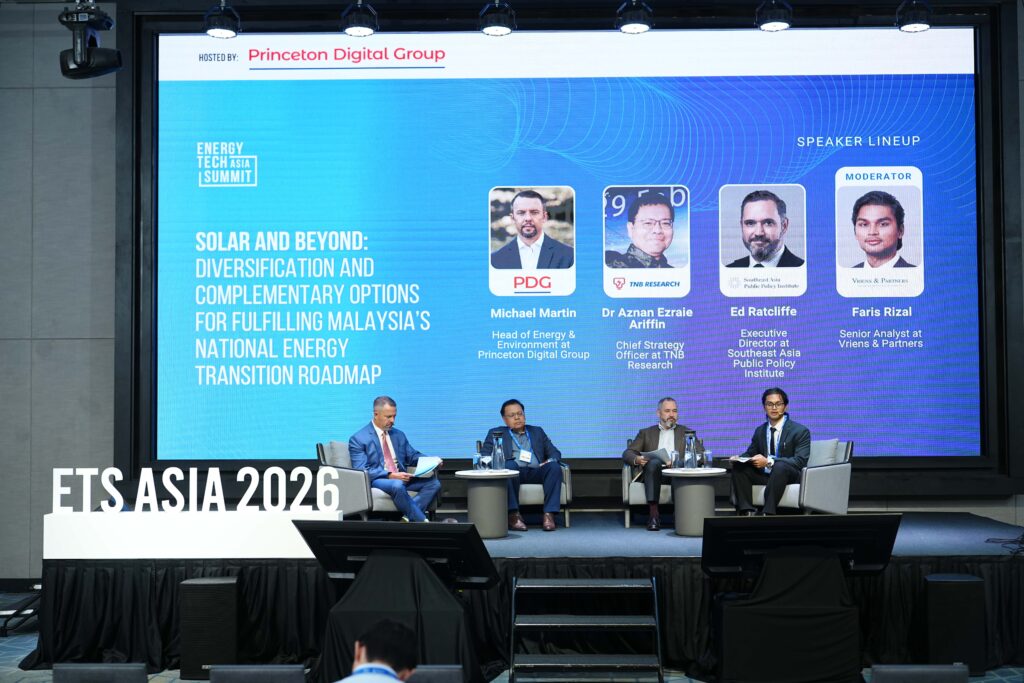
Speakers on the Solar and Beyond panel at Energy Tech Summit Asia 2026 in Kuala Lumpur
Day 2: energy security and the investment case
Energy security ran through the rest of the morning. In the panel on security versus transition, Genevieve Ding, Head of APAC Sustainability at JPMorgan Chase, argued that the two can work together: “Decarbonisation can be an economic comparative advantage.”
Financing came next. GenZero, Breakthrough Energy and TRIREC discussed how to fund and deploy first-of-a-kind projects in Asia. In the blended finance panel, Sumira Jayabalan, Vice President at 100×100, explained where blended capital fits best: “Initial projects and initial traction, especially in industries, markets and sectors where risk is a bit more understood, would be a good gap for blended finance.”
Mayuresh Patange, Private Sector Manager at the Green Climate Fund, also had practical advice for founders: “Do not start with what kind of structure I want. Start with what is the problem that I need to address, and then come up with the structure.”
Day 2: cross-border power and China’s role
The ASEAN interconnect panel looked past the cables. Ben Lindsay, Principal at Investible, summed up what is still missing: “We haven’t agreed who pays for it, who uses it, and how power is priced across a border, or who carries the risk when a government changes its mind.”
Two more panels widened the lens. New Energy Nexus China, AMPOTECH and Yude Solar discussed China’s role in the APAC transition as partner, supplier and competitor. Finally, Eurazeo, Xurya and Energy & Environment Investments tested whether Asia’s energy transition is lucrative for foreign capital, with Toby Chan of Audacy moderating.
iSensPro wins the PETRONAS Tech Challenge
Over at Tech Talks, Day 2 opened with the PETRONAS Tech Challenge. Eight startups pitched solutions for industrial energy efficiency and decarbonisation, from waste heat recovery to next-generation insulation. iSensPro took the win, opening a path to pilot its technology in PETRONAS’ operations.
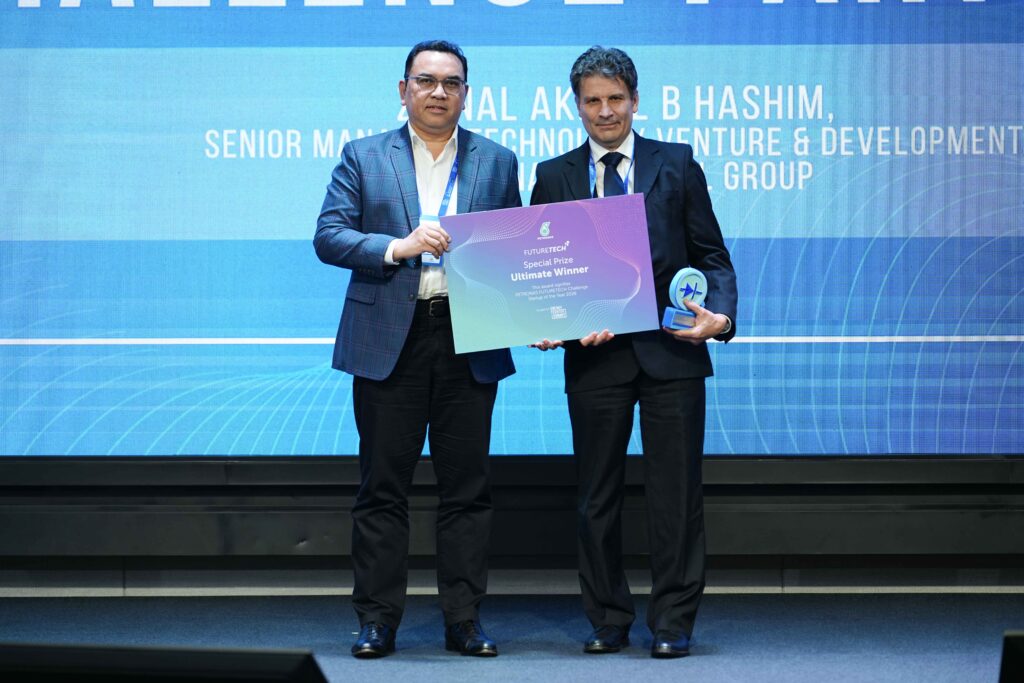
iSensPro team at the PETRONAS Tech Challenge at Energy Tech Summit Asia 2026
The final Challengers tracks followed. Climate Software X brought platforms that power, measure and transact the climate economy. The Climate X Wild Card track then closed the round with solutions for markets you don’t usually associate with climate tech.
Energy Tech Challengers Asia: the winners
In total, more than 50 startups pitched across six tracks. In the afternoon, the six track winners met in the superfinal:
- Green Energy Infrastructure: Cosysense
- AI for Energy: Invigilo AI
- Energy for AI: Blykalla
- Climate Hardware X: SiTration, Inc.
- Climate Software X: Reclimate Sdn Bhd
- Climate X – Wild Card: Krosslinker
SiTration, Inc. took the overall title. Its electrified silicon technology recovers critical minerals such as copper from mining, refining and recycling. CEO and Co-Founder Brendan Smith brought the solution to the final stage. Thank you to ABB, our Startup Innovation Partner, for supporting the competition.
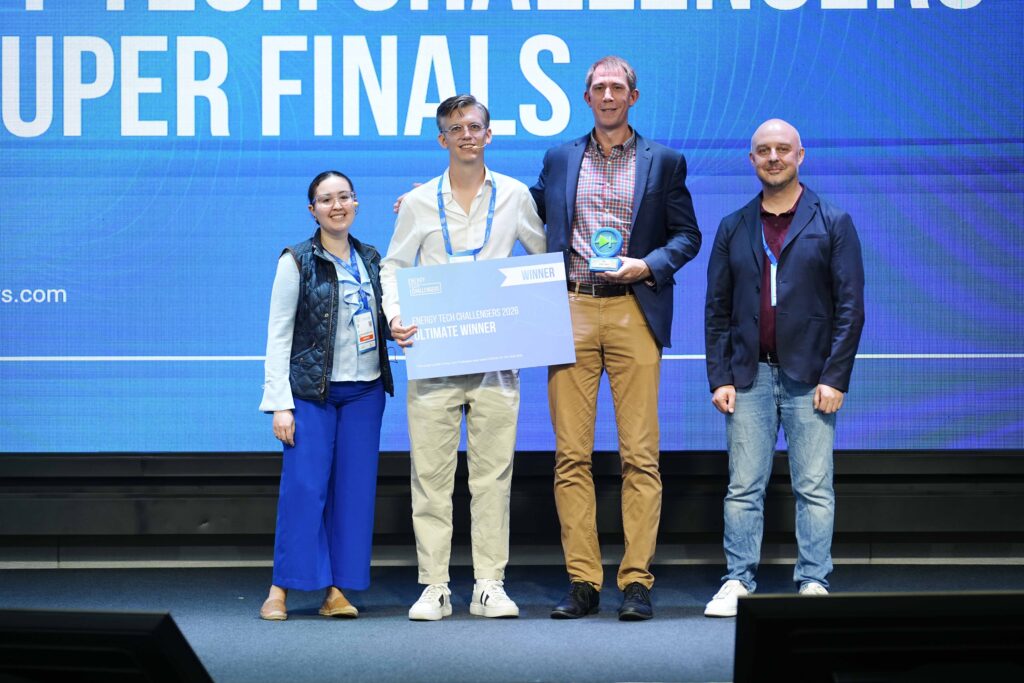
SiTration team receiving the Energy Tech Challengers Asia 2026 overall winner award
More about Energy Tech Challengers
Takeaway
And just like that, the first Energy Tech Summit Asia came to a close. Two days of big ideas, honest conversations and new connections made one thing clear: in Asia-Pacific, the energy transition is about growth and security as much as emissions. The founders, investors and corporates who met in Kuala Lumpur are already building for that reality.
See you in Bilbao – and back in Asia soon
Plans for the next Energy Tech Summit Asia are already under way, and we’ll share dates as soon as they’re confirmed.
Until then, the conversation continues at Energy Tech Summit Europe 2027 on 7–8 April in Bilbao, Spain. It’s the 8th edition of the summit, bringing Europe’s climate tech founders, investors and corporates together for two days of pitches, panels and 1:1 meetings. For APAC startups and investors looking at European markets, it’s the natural next step.
Passes are €1,399 until 30 November and rise to €1,599 on 1 December. Founders can join with the Founder’s Pass at €699.